Is an EMP event really possible?
Yes. High-altitude EMP, severe solar storms, and cascading grid failures are all documented risk categories.
Reviewed by Henry Morris · Lead Preparedness Researcher
Last updated: May 30, 2026
Preparedness is not only about rare worst-case events. It starts with understanding how modern households depend on power, supply chains, and connected services every day.
This guide explains EMP and grid-down risk in plain language, then walks through practical priorities for survival, off-grid resilience, and long-blackout readiness before any product decisions.
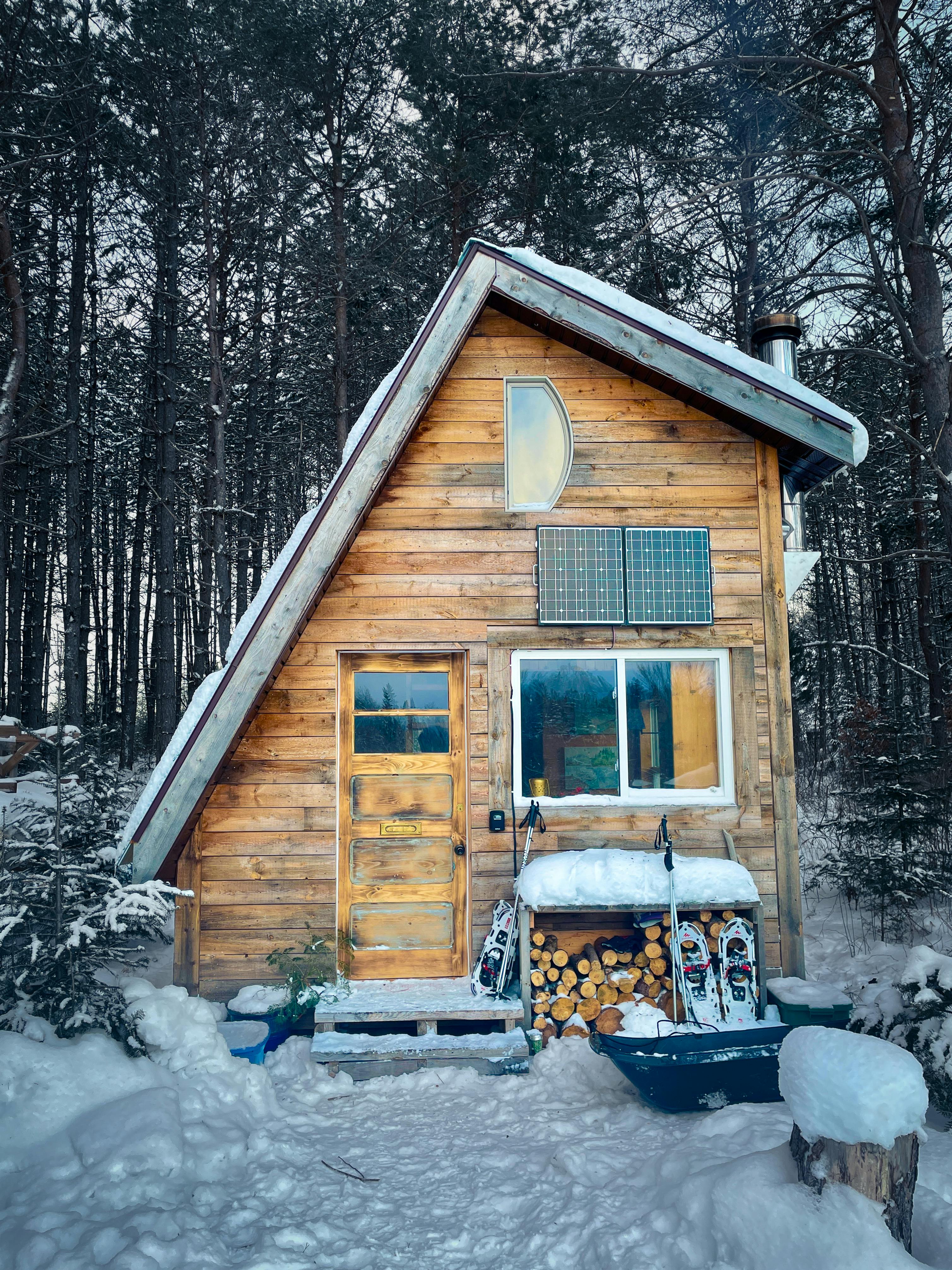
Even when an EMP never happens, storms, infrastructure failures, cyber incidents, and regional outages can create the same household-level problems: no reliable power, disrupted water access, payment failures, fuel shortages, and delayed emergency response. Families that build low-tech backups for these everyday risks are also better prepared for larger disruptions.
An EMP is a burst of electromagnetic energy that can damage or disable electronics. There are natural versions, such as major solar storms, and human-caused versions, including high-altitude events and infrastructure attacks. The key takeaway is not technical detail. The key takeaway is dependency: when systems fail together, recovery slows and uncertainty rises.
Power infrastructure includes old hardware, long supply chains, and highly interconnected systems. That means local faults can spread. Critical equipment replacements can take months, not days. Utilities and agencies continue modernization efforts, but resilience gaps remain. Prepared families treat this like any other high-impact risk and build redundancy at the household level.
Start with water, shelf-stable food, sanitation, medical basics, and communication plans. Then add home security routines, skill practice, and neighborhood coordination. Families that prepare in phases make better progress than families that wait for a perfect plan. Start with the essentials, test your routine, and only then choose a detailed framework that fits your context and budget.
Yes. High-altitude EMP, severe solar storms, and cascading grid failures are all documented risk categories.
Likelihood is uncertain, but grid-level disruption from technical, natural, or hostile causes is realistic and recurring globally.
Some vehicles may survive depending on shielding and onboard electronics, but you should not assume mobility will be reliable.
Panels may survive, but inverters, charge controllers, and connected systems are potential failure points without protection.
Preparedness is risk management. It reduces panic and increases your ability to protect family and serve community.
Preparedness is about stewardship, not panic. Put structure behind your next steps and move from awareness to action.
Henry Morris is the Lead Preparedness Researcher at Wilderness Survival Skills.
10+ years reviewing household preparedness systems and low-tech resilience frameworks.
This site uses affiliate links. If you buy through a link, we may earn a commission at no extra cost to you.
Back to top